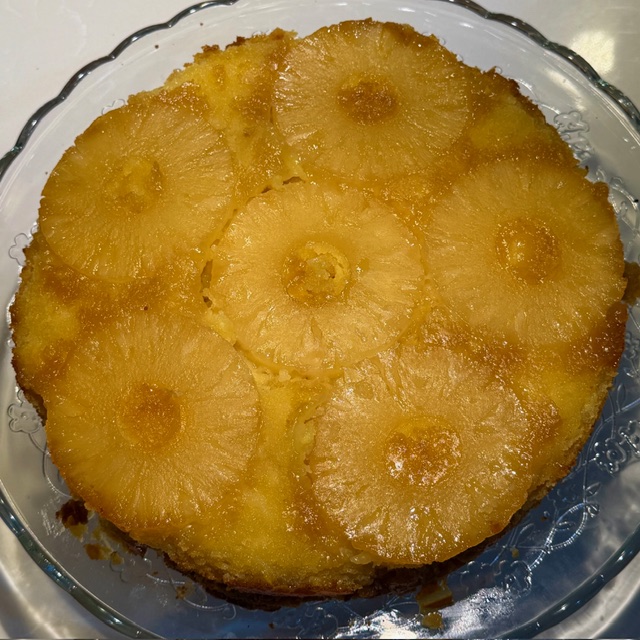
This pineapple upside down cake is my ode to abundance, nostalgia, and that unmistakable festive sweetness we crave during Lunar New Year. My not-so-secret secret? Three types of pineapple, each chosen for a reason.
I use canned pineapple rings or slices for the topping, fresh pineapple that’s crushed or blended for the batter to bring brightness and tartness, and pineapple juice to tie everything together. The result is a cake that’s buttery, tender, and deeply pineapple-yyy, perfect for a festive table reveal.
INGREDIENTS
Pineapple Cake Batter:
- 250g butter, softened
- 100g castor sugar
- 2 tsp vanilla essence
- 3 eggs
- 200g fresh pineapple (roughly crushed or blended)
- 1/4 cup pineapple juice (from crushed pineapple or I use canned/bottled/carton juice)
- 3 cups self-raising flour (sifted)
- 1 tsp salt
Pineapple Caramel Topping:
- 75g butter, melted
- 50g soft brown sugar
- 5–6 canned pineapple rings or slices, syrup drained
(number of slices depend on your cake pan size)
HOW TO MAKE IT
- Preheat oven to 180°C.
- Prepare the caramel topping: Pour the melted butter into the base of your cake pan. Sprinkle over the soft brown sugar and gently mix. Arrange the drained pineapple rings or slices evenly over the caramel. Set aside.
- Make the cake batter: Beat the butter, castor sugar and vanilla essence until light and fluffy. Add the eggs, crushed/blended pineapple and pineapple juice. Mix until well combined. Add self-raising flour and salt. Fold gently just until incorporated – avoid overmixing.
- Pour the batter over the pineapple layer and smooth the top.
- Bake for 45–50 minutes or until a skewer inserted comes out clean.
- Let the cake cool for 10–15 minutes. Run a knife along the sides, place a plate over the pan, and confidently flip to reveal that glossy pineapple crown.
Watch the video HERE.
FAQ
1. Why use three types of pineapple?
Each one serves a purpose: canned pineapple rings or slices give structure and visual impact, fresh crushed or blended pineapple adds tartness and moisture, and pineapple juice enhances aroma and ties all the flavours together.
2. Can I use only canned pineapple for everything?
You can, but using fresh pineapple for the batter really elevates the cake. The natural tartness balances the caramel topping beautifully.
3. What pineapple juice should I use?
Either works – the juice from the crushed fresh pineapple or a separate bottled/canned/boxed pineapple juice.
4. Why must I drain the canned pineapple syrup?
Draining removes excess syrup so the topping caramelises properly without becoming overly sweet or soggy.
5. Why is my cake wet or uncooked in the middle?
This usually happens when there’s too much moisture in the batter. Make sure the crushed pineapple is well-drained, only add a small splash of pineapple juice, and avoid overmixing. Oven temperatures can also vary, so baking a little longer and testing with a skewer is key.
6. Why did my cake sink after baking?
Opening the oven door too early, overmixing the batter, or excess moisture from the pineapple can cause sinking. Fold gently and only check the cake towards the end of baking.
7. Why is my caramel topping too runny?
This can happen if the pineapple wasn’t drained well or the cake was flipped too soon. Let the cake cool for 10–15 minutes before turning it out so the caramel can set slightly.
8. My cake is browned on top but still raw inside — what went wrong?
Your oven may be running too hot. Try lowering the temperature slightly and baking longer, or loosely cover the top with foil to prevent over-browning while the centre finishes cooking.
9. Can I bake this in advance?
Yes. This cake keeps well for 1–2 days at room temperature in an airtight container and tastes even better the next day as the flavours settle.
10. Do I need an electric mixer to make this cake?
An electric mixer helps, but it’s not compulsory. You can use a whisk or wooden spoon – just make sure the butter and sugar are beaten until pale and fluffy, as this affects the cake’s texture.
11. How do I know when the cake is fully baked?
Insert a skewer or toothpick into the centre of the cake. If it comes out clean or with just a few moist crumbs (not wet batter), the cake is ready.
12. What does “fold gently” mean?
Use a spatula to lightly lift the batter from the bottom and turn it over itself. This keeps the cake soft and prevents it from becoming overly dense.
13. Can I use a different cake pan if I don’t have a round one?
Yes. A square or loaf pan works too — just adjust the pineapple arrangement and keep an eye on baking time, as it may vary slightly.
14. Why is my batter thicker or thinner than expected?
This can depend on how juicy your pineapple is and how much juice you add. The batter should be thick but pourable — if it’s too wet, avoid adding more juice.
15. I’m scared to flip the cake — any tips?
Make sure the cake has cooled for 10–15 minutes, run a knife around the edges, place a plate firmly over the pan, and flip confidently in one motion. Hesitation is usually the culprit! You got it.
 SHE HAS CRAVINGS